- Home
- Models
- Products
- Solutions
- About Us
- Contact Us
- 中文
August 21, 2026
From AI Models to Real-World Productivity: Galaxea and Industry Partners Explore What’s Next for Embodied AI
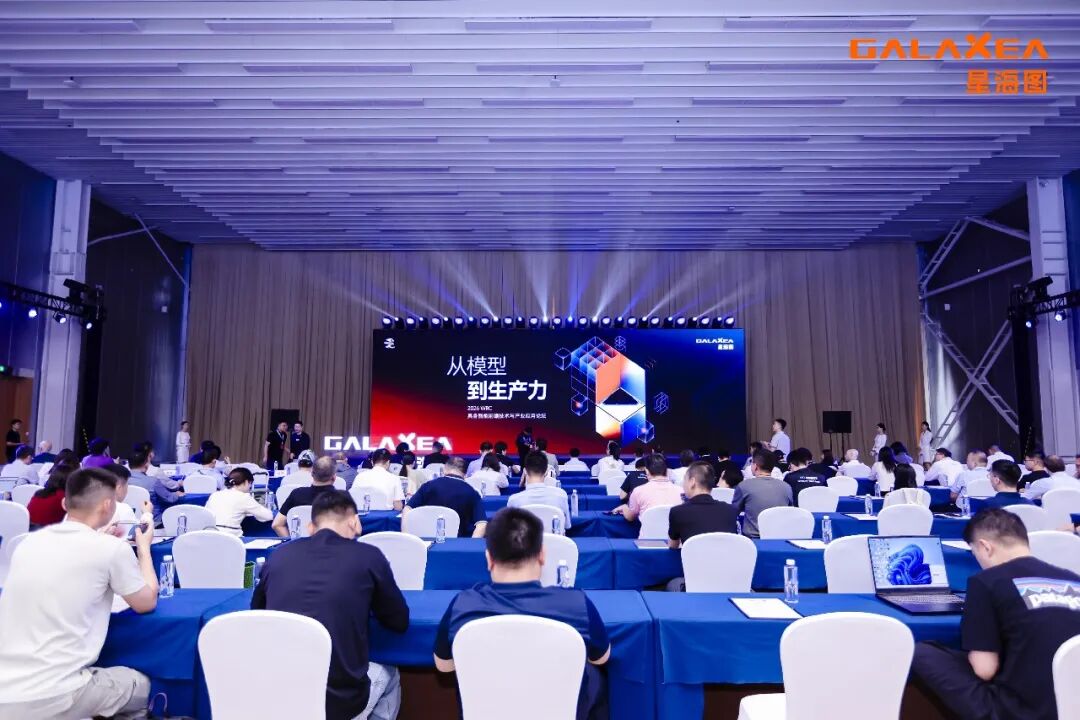
On August 21, during the 2026 World Robot Conference (WRC), Galaxea hosted its “From Models to Productivity” Technology and Industrial Applications Forum at the Beiren Etrong International Exhibition & Convention Center in Beijing.
The forum brought together researchers from leading universities and institutions worldwide, developers, and business executives to explore innovations in embodied foundation models, the evolution of robotic platforms, real-world commercialization, and the frontiers of emerging technologies. The discussions highlighted the latest thinking on technological advancement and industrial deployment.
Three Major Technology Breakthroughs Unveiled, G0.5 MAX Coming Soon
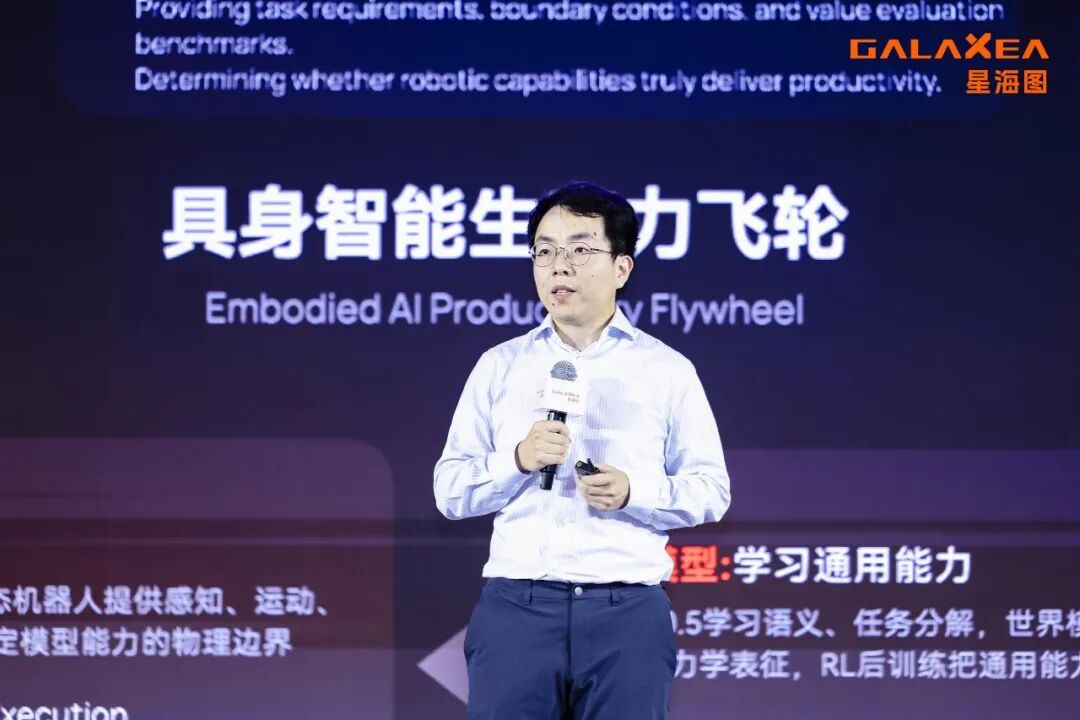
In his keynote speech, “From Models to Productivity: Building a Closed-Loop System for General-Purpose Embodied AI,” Galaxea Chief Scientist Zhao Xing outlined three stages in the evolution of embodied intelligence: instinctive intelligence, operational intelligence, and evolutionary intelligence.
He noted that the industry is moving beyond isolated technological breakthroughs toward system-level competition spanning foundation models, data, robotic hardware, infrastructure, and applications.
Guided by this vision, Galaxea has developed a comprehensive productivity flywheel for embodied AI. The process begins with real-world industrial applications, where robots generate valuable interaction data. This data drives continuous model improvement, enabling robots to perform increasingly sophisticated physical tasks. Supporting infrastructure allows fleets of robots to learn and improve at scale, with the resulting capabilities feeding back into industrial applications to create a self-reinforcing cycle.
Three major technological advances were highlighted at the forum.
1. G0.5 Foundation Model Upgrades and Open-Source Collaboration
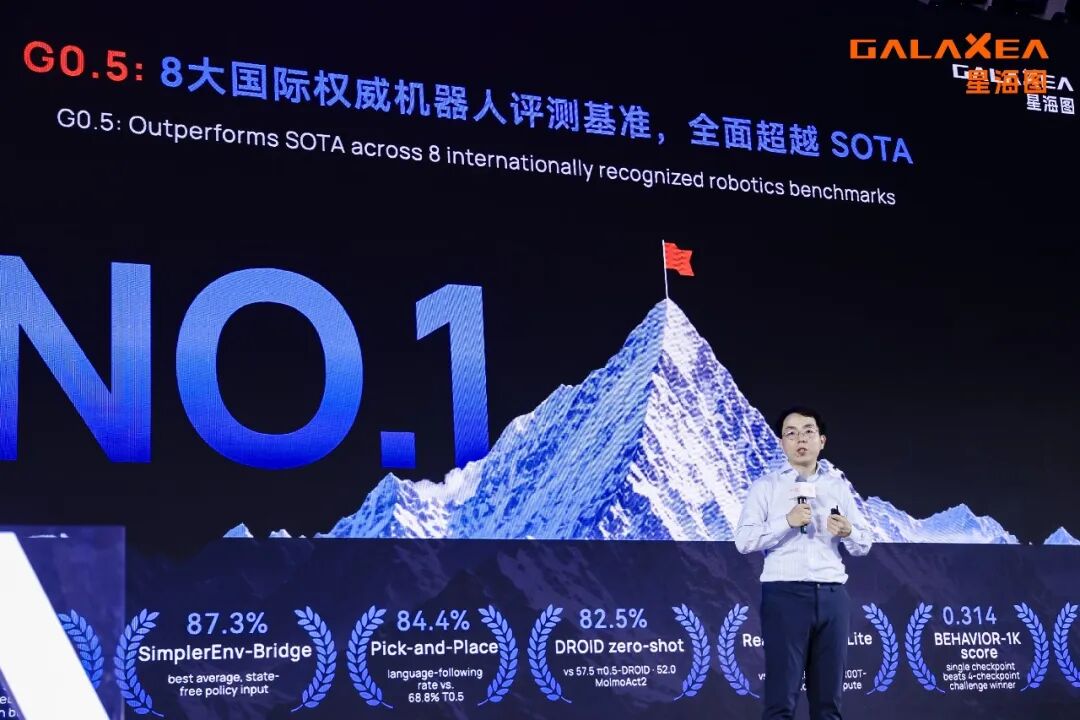
The G0.5 embodied foundation model introduces a native action chain-of-thought mechanism, unifying visual perception, language understanding, logical reasoning, and action generation within a single autoregressive data stream.
Since its release, G0.5 has surpassed previous state-of-the-art performance overall across eight internationally recognized benchmarks, including LIBERO and RoboTwin 2.0.
Galaxea also announced that G0.5 MAX is coming soon, bringing further improvements to the model's overall capabilities.
To advance the open-source embodied AI ecosystem, Galaxea officially launched the G0.5 Reproduction Initiative. The initiative provides researchers and developers worldwide with access to model weights, inference interfaces, evaluation benchmarks, and a complete suite of fine-tuning tools.
Organized around three areas—simulation-based reproduction, real-robot reproduction, and open-source co-creation—the initiative encourages developers to conduct in-depth validation and contribute to the broader ecosystem.
2. Fast-WAM: A Large-Scale World Model Pretraining Initiative
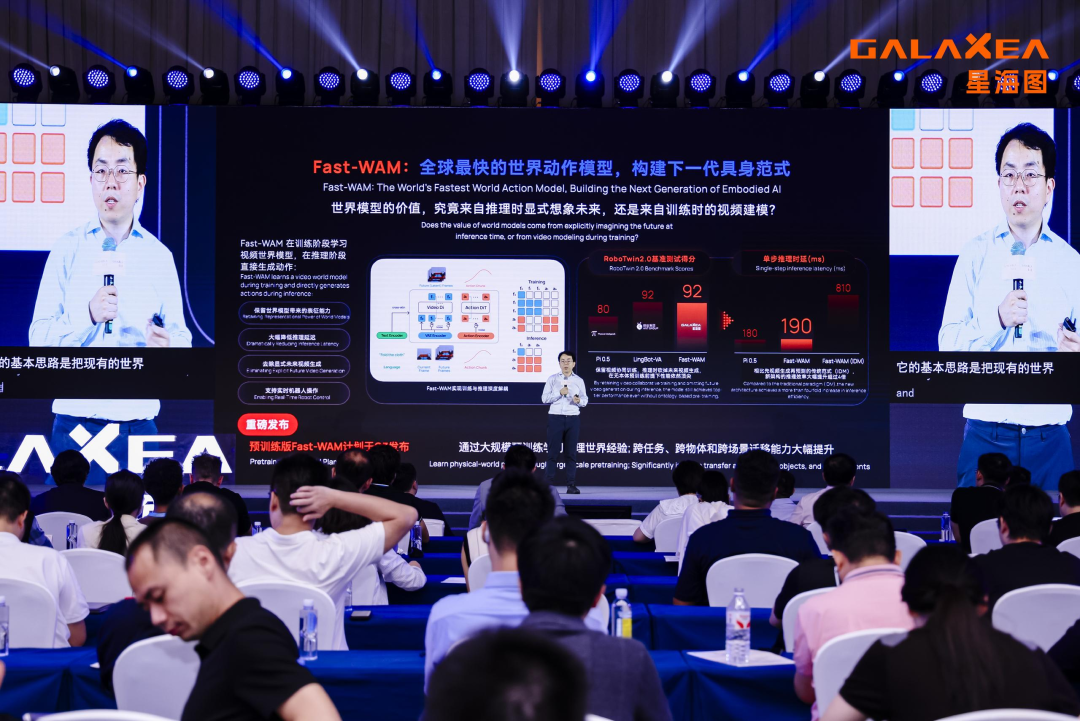
Galaxea also previewed its plans for a large-scale pretrained model based on the Fast-WAM world model architecture.
Unlike conventional approaches, Fast-WAM eliminates the need to generate future video frames during inference, reducing single-step inference latency from approximately 800 milliseconds to 190 milliseconds—a speedup of more than 4×.
Zhao Xing revealed that a large-scale pretrained model built on the Fast-WAM architecture will be introduced, offering faster inference and stronger generalization across tasks, objects, and environments.
3. Official Launch of G-Fleet, a Distributed Reinforcement Learning System
Galaxea officially introduced G-Fleet, a distributed infrastructure system designed to support continuous learning across fleets of physical robots.
G-Fleet supports the complete workflow, including fleet-wide policy deployment, parallel real-world rollouts, data collection and feedback from physical environments, human intervention and calibration, distributed reinforcement learning, automated evaluation, and model version releases.
By connecting model deployment, real-world interaction, data filtering, iterative training, and new model releases into a continuous learning loop, G-Fleet addresses a critical industry challenge: enabling large fleets of deployed robots to improve safely and efficiently through real-world experience.
NEXO Leads Three Robotic Platform Advances, Bringing Embodied AI Productivity to Life
Galaxea Partner and COO Li Tianwei delivered a keynote titled “The Next Evolution of Robotic Platforms for Embodied AI Productivity.”
He opened with a fundamental principle of robotic hardware development:
“For intelligence, iteration is endless. But for hardware, focus is essential.”
Li explained the engineering implications of “Intelligence-Defined Robotics” across three dimensions.
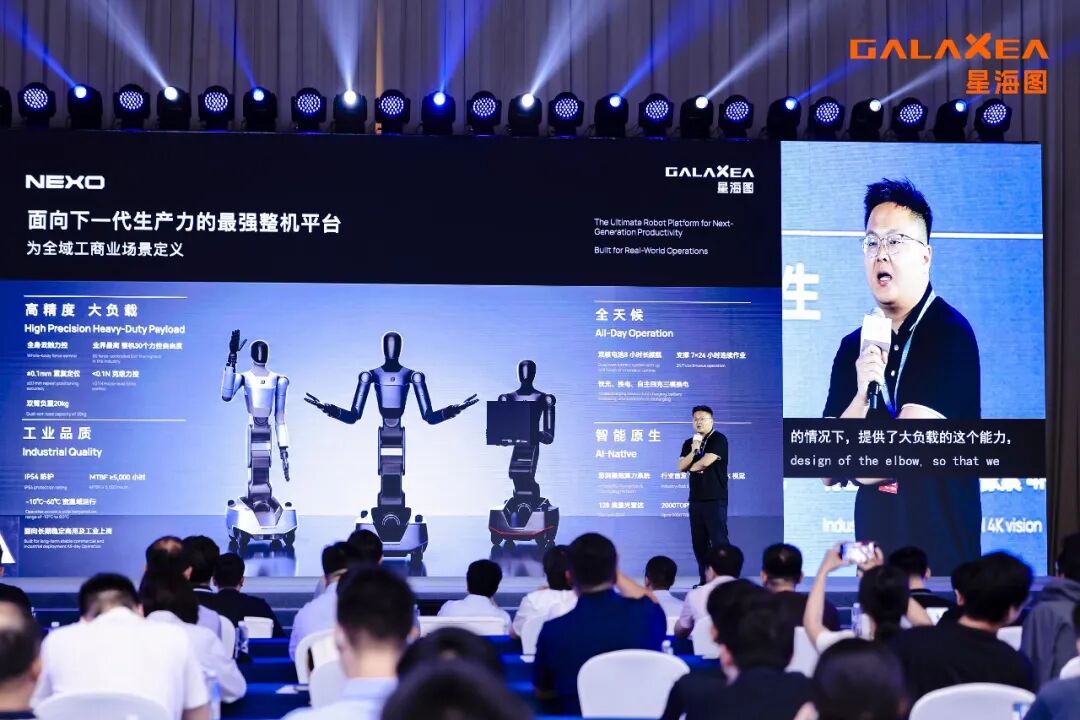
When intelligence demands speed, robotic hardware must deliver the necessary electromechanical cycle times. When intelligence demands precision, hardware must support repeatable positioning accuracy of 0.1 mm and force control precision of 0.1 N. When intelligence demands generalization, robotic platforms must enable the transfer of capabilities from teleoperation data to egocentric data.
In this framework, robotic hardware is not merely a passive shell, but a physical extension of intelligence.
“Today, intelligence is no longer the only force shaping robotic hardware. We have a new group of influential voices: industrial customers,” Li Tianwei said.
He emphasized that industrial customers demand far greater reliability, service life, and adaptability to extreme temperature conditions than laboratory prototypes typically provide. Addressing these requirements has been a major focus of Galaxea's hardware development over the past year.
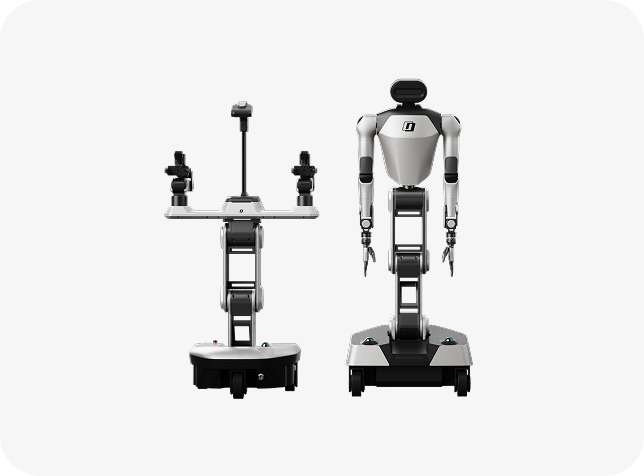
The forum also showcased the latest advances across three robotic platforms.
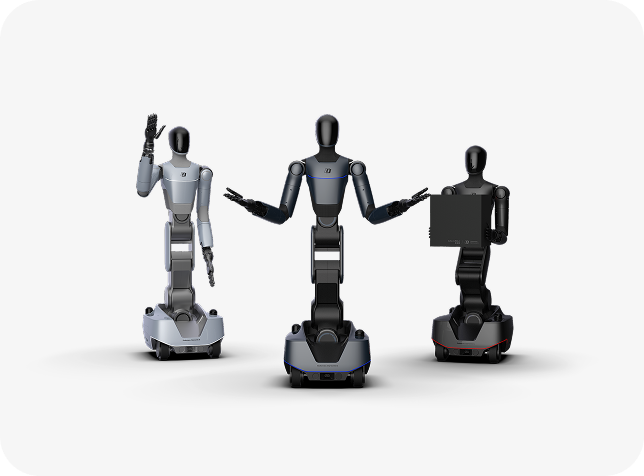
1. NEXO: Next-Generation Flagship Wheeled Dual-Arm Humanoid Robot
Positioned as a general-purpose embodied robotic platform, NEXO features system-wide, cloud-coordinated force and tactile capabilities, with a peak payload capacity of up to 20 kg across its dual arms.
Designed for four major application areas—e-commerce and retail, industrial manufacturing, express delivery and logistics, and commercial services—NEXO offers eight hours of battery life and supports continuous 24/7 operations.
Three charging options are available: fast charging, battery swapping, and autonomous recharging.
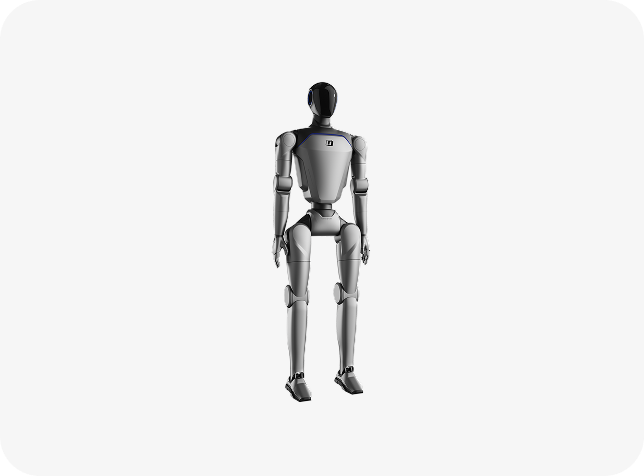
2. KENGO: Bipedal Humanoid Robot
KENGO features a fully in-house-developed electromechanical transmission system.
It is designed for unstructured environments that are difficult for wheeled robots to navigate, including energy and power infrastructure, wide-area exploration, and equipment inspection.
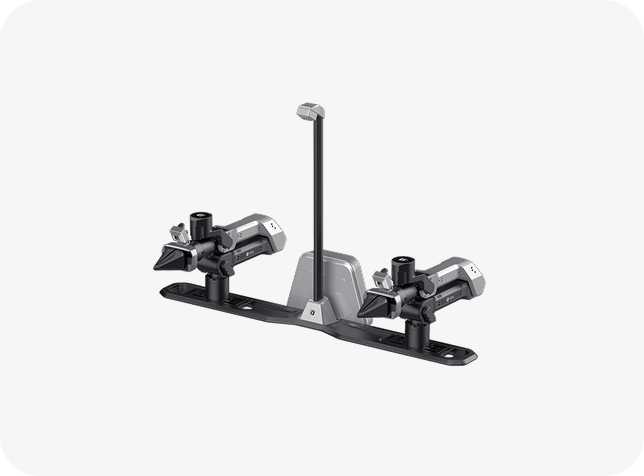
3. LEMO: Dual-Arm Development Platform
Designed for the developer ecosystem, LEMO is a cost-effective desktop dual-arm manipulation platform.
Equipped with Galaxea's proprietary teleoperation system, LEMO enables highly precise manipulation tasks, including delicate operations such as threading a needle.
Li Tianwei also shared Galaxea's progress in commercial deployment. To date, the company has fulfilled orders for thousands of model-driven robots deployed in real-world productivity applications, with a delivery target exceeding 10,000 units next year.
These achievements have been made possible by joint capacity development with industrial partners and continuous improvements in hardware reliability, service life, and performance across a wide range of operating temperatures.
“The success of embodied AI will not belong to any single company. It will be the result of collective efforts across the entire industrial ecosystem,” Li concluded.
Global Perspectives Converge as Industry Leaders Explore the Frontiers of AI
Two panel discussions explored embodied AI from complementary perspectives: commercial deployment and frontier technology research.
The industry panel was moderated by Yu Lei, Galaxea Partner and President of Marketing and Services. Panelists included Ashish Kapoor, Founder and CEO of General Robotics; Edwin Yap, Founder of Mr.Robot and CEO of Jemco Group; Wang Kai, Chief Technology Officer of Damon Technology Group; and Tian Ruilin, Senior Embodied AI Expert at JD Retail.
Yu Lei emphasized that the successful commercialization of robotics depends on several interconnected factors: market demand, technological iteration, data accumulation, supply chain readiness, and viable business models. Despite these challenges, he believes large-scale adoption will arrive sooner than many expect.
Wang Kai observed that overseas markets generally offer shorter investment payback periods and greater customer acceptance of robots' current capabilities. Damon Technology has therefore adopted a strategy of expanding internationally before deepening its presence in China.
However, he also stressed that whether the return on investment (ROI) makes economic sense remains the ultimate challenge for large-scale deployment.
From the perspective of a major technology company, Tian Ruilin shared JD.com's plan to deploy one million robots by 2028. He described an architecture combining general-purpose foundational capabilities with industry-specific models to support applications across different sectors.
International panelists offered additional perspectives on regional markets.
Ashish Kapoor noted that North American enterprises increasingly view robotics adoption as a strategic necessity. However, overly ambitious ROI expectations and high employee turnover continue to create obstacles to long-term deployment.
Drawing on his experience in Southeast Asia, Edwin Yap emphasized that the region requires market-specific strategies rather than a one-size-fits-all approach. In countries such as Malaysia and Vietnam, relatively low labor costs and the prevalence of manual operations create natural opportunities for collecting robotic training data.
Several panelists agreed that collaboration across companies and national borders will become an increasingly important industry trend.
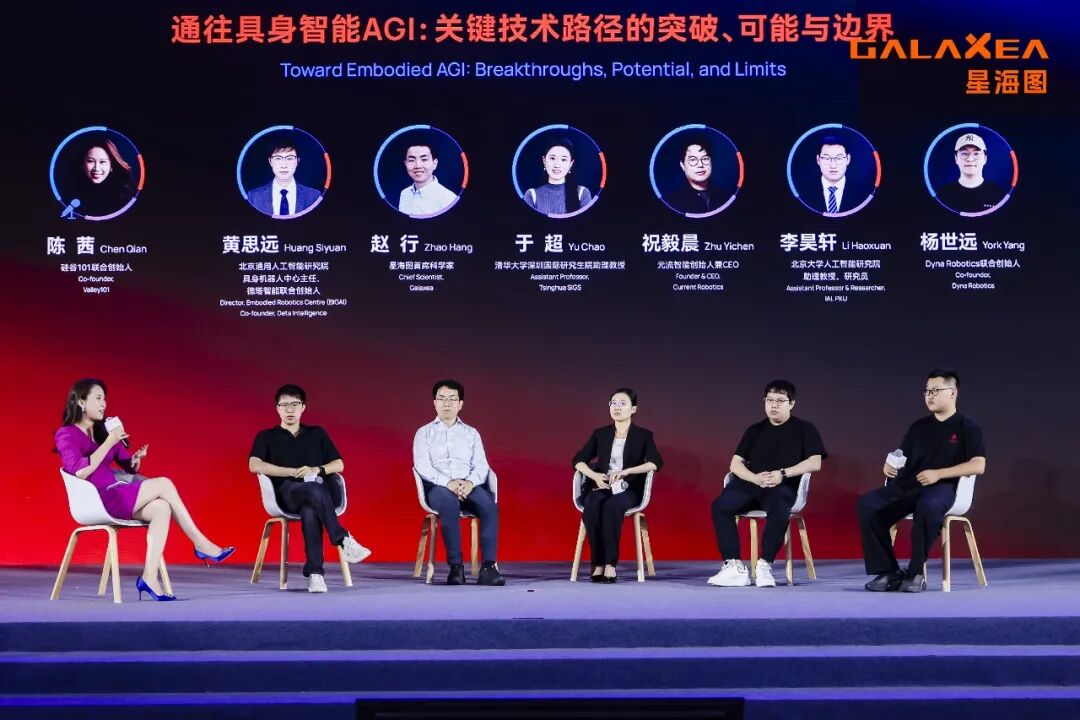
The discussions also addressed a widely debated question: Are world models merely another industry buzzword?
Panelists noted that the industry has yet to converge on a single technical approach. Some research teams prioritize representation learning, others focus on building simulators, while still others are pursuing 3D modeling.
Yang Shiyuan shared a counterintuitive finding from Silicon Valley: after pretraining on one million hours of human video, a model's accuracy on robotic test datasets actually declined. This result highlighted the substantial gap between understanding the visual world and performing physical actions within it.
Zhao Xing argued that there remains enormous potential for collecting embodied interaction data. As industrial applications expand and the ecosystem develops, he believes concerns about data availability may become less significant.
Yu Chao emphasized that pretraining establishes the boundaries of a model's capabilities, while post-training is essential for extending those boundaries. However, current post-training approaches still depend heavily on human intervention, making large-scale implementation challenging.
From the perspective of causal inference, Li Haoxuan noted that much of today's model training remains focused on statistical correlations. To truly understand the relationship between actions and outcomes, robots must develop counterfactual reasoning capabilities.
At the conclusion of the discussion, each panelist identified what they considered the industry's most critical area for advancement.
Their perspectives converged on five major priorities: native multimodal model architectures, efficient use of human data, causal reasoning capabilities, open-source infrastructure collaboration, and closed-loop iteration in high-value real-world applications.
The forum highlighted Galaxea's integrated capabilities spanning foundation models, infrastructure, and robotic platforms.
Embodied AI is now entering a critical phase of transition from laboratory prototypes to real-world industrial productivity. Achieving this transformation will require not only continued breakthroughs in foundational algorithms, but also rigorous hardware engineering, open-source ecosystem development, and extensive experience in real-world environments.
Looking ahead, Galaxea will continue advancing the coordinated evolution of AI models and robotic hardware while working closely with academic institutions, researchers, and industry partners to bring embodied AI into practical applications across a wide range of industries.